
seasoned firewood for homes
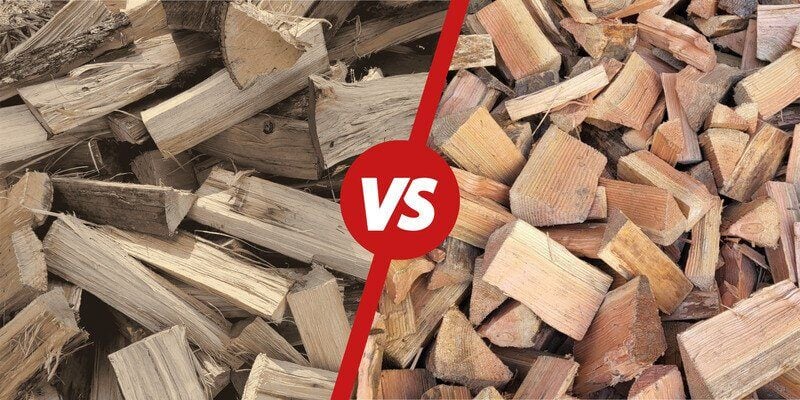
Hardwood vs Softwood Firewood: Which Is Better for Home Heating
Dec
Introduction
Choosing between hardwood and softwood firewood is one of the most common questions homeowners ask when heating with wood. While both types can be used effectively, they perform very differently in terms of heat output, burn time, smoke production, and cost.
Understanding the real differences between hardwood and softwood firewood helps you make smarter buying decisions, burn more efficiently, and protect your fireplace or wood stove. In this guide, we compare hardwood vs softwood using real world data, practical experience, and verified heating values.
If you want guaranteed quality firewood that matches your heating needs, visit https://seasonedfirewoodforhomes.com.
What Is Hardwood Firewood
Hardwood comes from deciduous trees, which lose their leaves annually. These trees grow more slowly, resulting in denser wood with higher heat potential.
Common hardwood firewood species include:
- Oak
- Hickory
- Maple
- Ash
- Beech
- Birch
Because of their density, hardwoods generally burn longer and produce more heat per log.
What Is Softwood Firewood
Softwood comes from coniferous trees, which usually stay green year round and grow faster. Softwoods are less dense and contain more resin.
Common softwood firewood species include:
- Pine
- Spruce
- Fir
- Cedar
- Larch
Softwood is often used for fire starting, outdoor fires, or short heating periods.
Heat Output Comparison
Heat output is measured in British Thermal Units (BTUs) per cord.
According to USDA Forest Service data:
- Oak: 24–26 million BTUs
- Hickory: 27–30 million BTUs
- Maple: 20–24 million BTUs
Compared to:
- Pine: 15–17 million BTUs
- Spruce: 14–16 million BTUs
- Fir: 15–18 million BTUs
Hardwood clearly produces more heat, meaning fewer logs are needed to maintain warmth.
Burn Time and Efficiency
Hardwood firewood burns slower and steadier due to its density. This makes it ideal for overnight burns and cold winter heating.
Softwood ignites quickly but burns fast. This requires more frequent refueling and leads to faster wood consumption.
Best use cases:
- Hardwood: Primary home heating
- Softwood: Fire starting, mild weather, quick warmth
Smoke and Creosote Production
When properly seasoned, hardwood produces less smoke and fewer sparks than softwood. This reduces creosote buildup in chimneys.
Softwood contains more sap and resin. If not fully seasoned, it can create more smoke and sticky creosote residue. According to the Chimney Safety Institute of America, resin-rich wood increases chimney fire risk when burned wet.
Seasoning Time Differences
Seasoning time varies significantly.
- Softwoods: 6–9 months
- Medium hardwoods: 9–12 months
- Dense hardwoods like oak: 12–24 months
While softwood seasons faster, hardwood rewards patience with superior heating performance.
Cost Comparison
Softwood is usually cheaper because trees grow faster and are easier to process. Hardwood costs more upfront but delivers better value long term.
Cost efficiency reality:
- Softwood costs less per cord
- Hardwood delivers more heat per cord
- Hardwood often costs less per unit of heat
This makes hardwood more economical for serious home heating.
Spark and Safety Considerations
Softwoods tend to spark more due to resin pockets. This makes them less ideal for open fireplaces.
Hardwoods burn cleaner with fewer sparks, making them safer for indoor use when properly seasoned.
Environmental Considerations
Both hardwood and softwood can be sustainable when harvested responsibly. Softwood forests regenerate faster, while hardwood forests provide longer lasting fuel efficiency.
Buying locally sourced, seasoned firewood reduces transportation emissions and supports sustainable forestry practices.
Which Is Better for Your Home
Choose hardwood if:
- You rely on wood as a main heat source
- You want long burn times
- You prefer high heat output
Choose softwood if:
- You need quick ignition
- You burn occasionally
- You want lower upfront cost
Many homeowners use both, softwood for starting fires and hardwood for sustained heat.
Common Myths About Hardwood and Softwood
Myth: Softwood is bad firewood
False. It has valid uses when properly seasoned.
Myth: Hardwood never sparks
False. Any wood can spark under certain conditions.
Myth: Softwood causes chimney fires
Only when burned wet or excessively.
Conclusion
Hardwood vs softwood firewood is not about which is good or bad, but which is right for your heating needs. Hardwood offers superior heat and efficiency, while softwood provides convenience and fast ignition. Understanding how and when to use each helps you heat smarter, safer, and more affordably.
For reliable, properly seasoned hardwood firewood delivered ready to burn, visit our store
Frequently Asked Questions
Is hardwood always better than softwood?
For long term heating, yes. For fire starting, softwood works better.
Can I mix hardwood and softwood?
Yes. Many homeowners use softwood to start fires and hardwood to maintain them.
Does softwood clog chimneys faster?
Only if it is unseasoned or burned excessively.
What is the best firewood for overnight burns?
Dense hardwoods like oak and hickory.
Is pine safe to burn indoors?
Yes, if it is fully seasoned and burned responsibly.
