
seasoned firewood for homes
Best Practices for Storing Firewood Indoors
Aug
Best Practices for Storing Firewood Indoors Having firewood indoors is convenient, especially during freezing winter nights when going outside isn’t ideal. But improper indoor storage can lead to pest problems, moisture buildup, unpleasant odors, and even safety hazards.
In this guide, we’ll cover everything you need to know about storing firewood indoors the right way, including safety tips, pest control strategies, design ideas, and expert tricks to keep your wood dry, clean, and ready to burn.
1. Best Practices for Storing Firewood Indoors Store Only What You’ll Use Soon
The first golden rule: don’t bring in your whole firewood pile.
Instead, bring in only a few days’ or a week’s worth of wood at a time.
Why:
- Reduces the risk of insects and rodents setting up home indoors.
- Prevents excess dust, bark, and debris from dirtying your floors.
- Keeps indoor humidity levels lower.
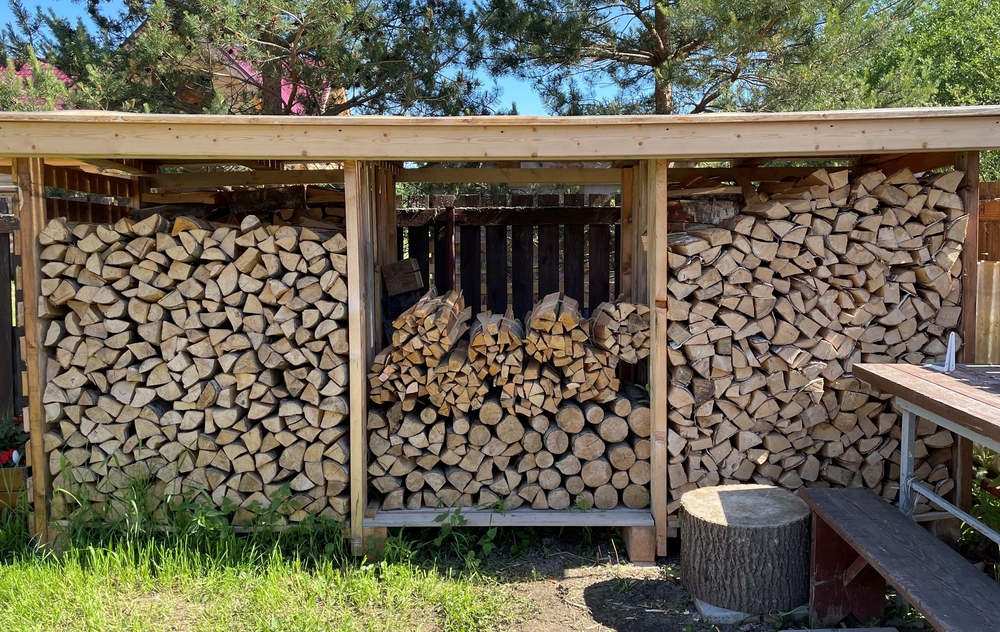
Pro Tip: Keep your main firewood supply outside in a dry, elevated area. Refill your indoor stash as needed.
2. Elevate Your Wood Off the Floor
Firewood should never be stacked directly on indoor flooring. Even seasoned wood can hold moisture, which can:
- Damage hardwood floors or carpeting.
- Promote mold growth underneath.
Instead, use:
- Metal or wood racks specifically designed for indoor firewood.
- Plastic storage pallets (in rustic spaces).
- Decorative crates or baskets with a liner.
Keeping your wood at least 2 inches off the ground ensures good airflow and prevents moisture transfer.
3. Choose a Well-Ventilated Location
Airflow is critical to keep wood from becoming damp or musty. Good locations include:
- Near an exterior wall (cooler and less humid).
- In a mudroom or enclosed porch.
- Beside the wood stove or fireplace, but not too close.
Avoid placing wood in basements unless they’re well-ventilated — stale, humid air can cause mold to grow on your logs.
4. Keep it Away from Heat Sources
While having wood within arm’s reach is convenient, too close to a heat source can be dangerous.
Follow these rules:
- Keep wood at least 3 feet away from stoves, fireplaces, and heaters.
- Use a fire-resistant hearth rug under your wood rack for extra safety.
5. Use a Dedicated Firewood Holder
Indoor firewood racks aren’t just functional — they can also enhance your home décor. Choose from:
- Wrought iron for a classic look.
- Wooden crates for a rustic touch.
- Steel frames for a modern aesthetic.
Look for designs with side rails to prevent logs from rolling out and open sides for airflow.
6. Inspect Wood for Pests Before Bringing It Inside
Even seasoned wood can harbor bugs like ants, spiders, or beetles. Always:
- Shake or knock logs together to remove loose bark and insects.
- Avoid bringing in logs with visible signs of infestation.
- Never store freshly cut wood indoors — it’s more likely to be buggy.
Expert Tip: If you’re concerned about pests, keep your wood outside for a full freeze-thaw cycle before moving it indoors.
7. Rotate Your Stock for Freshness
Just like food, firewood should be used in the order it was brought in. Place newer logs at the back of your rack and burn the older ones first. This avoids having wood sit too long and collect dust or mold indoors.
8. Keep Tools and Kindling Nearby
A well-organized indoor wood storage area includes:
- A kindling basket.
- Fire starters or matches in a dry container.
- Fireplace tools (poker, tongs, brush, and shovel).
This way, you have everything in one spot for quick fire starting.
9. Control Indoor Mess and Debris
Firewood drops bark and wood dust — but you can keep things clean by:
- Placing a mat or tray under the rack.
- Vacuuming regularly around the storage area.
- Wiping down the rack occasionally to prevent buildup.
10. Extra Tips for Indoor Firewood Storage
- Season First, Store Later: Always season wood outdoors for at least 6–12 months before bringing it inside.
- Small Loads: Bring in smaller amounts more often to avoid stale air.
- Use Decorative Covers: If your wood storage is in a formal living space, a decorative cloth cover can hide mess.
Common Mistakes to Avoid
- Storing green or wet wood indoors (it will mold).
- Keeping huge piles inside year-round (pest risk).
- Blocking heat vents or airflow with your wood pile.
- Placing wood directly on carpet (it traps dirt and moisture).
Final Thoughts
Indoor firewood storage is all about balance — keeping wood close enough for convenience while ensuring it stays clean, dry, and safe. By following these best practices, you’ll enjoy warm, efficient fires without pests, mold, or mess.
Remember: the key is seasoned wood, smart placement, and regular rotation. That’s how you keep your firewood — and your home — in top shape all winter long.
