
seasoned firewood for homes
Hardwood vs Softwood: What’s Best for Fireplaces?
Sep
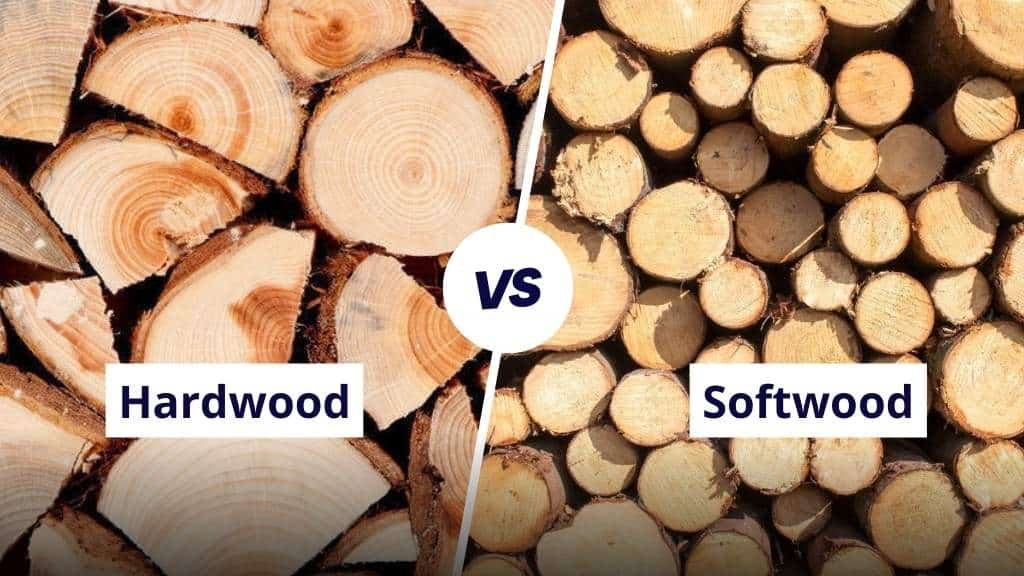
Hardwood vs Softwood: What’s Best for Fireplaces?: Choosing the right firewood for your fireplace is not just about convenience—it’s about efficiency, safety, and comfort. In Canada’s long winters, the type of firewood you burn makes a big difference. Homeowners often wonder whether hardwood or softwood is the better option for fireplaces.
This guide compares hardwood and softwood, outlining their strengths, weaknesses, and the best uses for each. If you’re just starting your firewood journey, be sure to visit Seasoned Firewood for Homes for expert advice, tips, and high-quality firewood options.
What Is Hardwood?
Hardwoods come from deciduous trees like oak, maple, birch, ash, and hickory. These woods are denser and heavier than softwoods, making them burn longer and produce more heat.
Key Features of Hardwood
- High density = longer burn time.
- Produces steady, consistent heat.
- Creates fewer sparks and less smoke.
- Requires longer seasoning time (12–24 months).
Hardwood is often the top choice for homeowners who rely on firewood as a primary heat source.
What Is Softwood?
Softwoods come from coniferous trees such as pine, spruce, and fir. These woods are lighter, less dense, and easier to split.
Key Features of Softwood
- Lights quickly and easily.
- Seasons faster (6–12 months).
- Great for kindling or short fires.
- Produces more smoke, sparks, and creosote than hardwood.
Softwood is best for starting fires or for short bursts of heat, but it’s not as efficient for long-term home heating.
Hardwood vs Softwood: Head-to-Head Comparison
Title Page Separator Site title
Title Page Separator Site title
Discover the key differences between hardwood and softwood firewood. Learn which burns hotter, lasts longer, and is best for fireplaces.
Discover the key differences between hardwood and softwood firewood. Learn which burns hotter, lasts longer, and is best for fireplaces.
| Feature | Hardwood (Oak, Maple, Ash) | Softwood (Pine, Spruce, Fir) |
|---|---|---|
| Burn Time | Long-lasting, overnight fires | Quick burn, shorter duration |
| Heat Output | Higher heat per cord | Lower heat per cord |
| Seasoning Time | 12–24 months | 6–12 months |
| Ease of Lighting | Harder to ignite | Lights quickly and easily |
| Smoke & Creosote | Low when seasoned properly | Higher, requires extra chimney cleaning |
| Best Use | Home heating, long cold nights | Kindling, short fires, outdoor fires |
Which One Is Best for Fireplaces?
- For Home Heating: Hardwood is the best option. It produces more heat, burns longer, and requires fewer reloads throughout the night.
- For Starting Fires: Softwood excels as kindling. It ignites quickly and gets your fire going before you add hardwood logs.
- For Occasional Fires: If you only light your fireplace for ambiance, softwood can work. But for consistent, safe heating, hardwood is the clear winner.
How to Use Both Together
Many Canadian homeowners find the best results by using both types:
- Start the fire with softwood kindling.
- Add hardwood logs once the fire is established.
- Maintain the fire with hardwood for long-lasting, steady heat.
This combination ensures easy lighting, consistent warmth, and maximum efficiency.
Storage and Seasoning Tips
- Split your wood early to speed drying.
- Stack logs off the ground with airflow between rows.
- Cover the top to keep out rain but leave the sides open.
- Allow at least 12 months for hardwood and 6 months for softwood before burning.
For more detailed tips, read our guide on how to season and stack firewood properly.
Conclusion
When it comes to fireplaces, hardwood is the better choice for heating because it burns hotter and longer. Softwood, however, plays an important role in starting fires and providing quick heat. The ideal solution is to use them together—softwood to ignite and hardwood to sustain.
By understanding the strengths and weaknesses of each, you can enjoy efficient, safe, and cozy fires all winter long. For more advice on choosing and preparing firewood, explore the resources available at Seasoned Firewood for Homes
