
Seasoned Firewood Basics
How to Tell If Firewood Is Properly Seasoned
Aug
How to Tell If Firewood Is Properly Seasoned: Firewood is the heart of many Canadian homes, especially during the long, cold winters. But not all firewood is created equal. Using unseasoned, or “green,” wood can lead to smoky fires, wasted heat, and dangerous creosote buildup in your chimney. The solution? Properly seasoned firewood.
Knowing how to identify seasoned wood can save you money, improve heating efficiency, and keep your family safe. In this guide, we’ll explore the tell-tale signs of seasoned firewood, how to test it, and why it’s so important to make sure the wood you’re burning is ready for use.
Key Signs of Properly Seasoned Firewood
Appearance
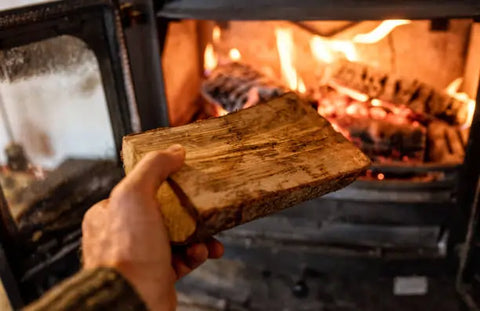
One of the easiest ways to spot seasoned firewood is by its look. Freshly cut logs are bright in color, while seasoned wood takes on a dull, grayish-brown appearance. Look closely at the ends: properly dried logs will show cracks and splits, a natural sign that moisture has evaporated.
Weight
Moisture makes wood heavy. Pick up a freshly cut log and compare it with one that’s been drying for months. You’ll notice that seasoned wood is much lighter. This weight difference is a strong indicator of how much water has left the log.
Sound Test
The “knock test” is a traditional and reliable method. Take two logs and bang them together. If they’re seasoned, you’ll hear a sharp, hollow “clink.” If they’re green, the sound will be a dull thud because of trapped moisture.
Smell
Green wood often smells sappy and resinous. Seasoned wood, by contrast, has only a faint, earthy odor. While smell alone isn’t enough to confirm dryness, it’s a useful supporting clue.
Using a Moisture Meter
While sight, sound, and touch are useful, the most accurate way to determine if your firewood is properly seasoned is to use a moisture meter. These small, affordable devices measure the exact percentage of water inside the wood.
- Ideal Range: Below 20% moisture is considered seasoned.
- How to Test: Split a log, press the meter’s probes into the freshly exposed interior, and get your reading.
- Why It Matters: Even if the outside of a log looks dry, the inside may still be holding water.
For homeowners who rely heavily on firewood, a moisture meter is a smart investment that pays off in safety and efficiency.
Why It’s Important to Check Your Firewood
Cleaner, Hotter Fires
Seasoned wood produces more heat because less energy is wasted evaporating water. A dry log provides consistent, long-lasting warmth, making it far more efficient during Canadian winters.
Reduced Chimney Creosote
Green wood produces excess smoke, which condenses into creosote inside your chimney. Over time, creosote buildup can ignite, causing dangerous chimney fires. Seasoned wood minimizes this risk.
Cost Savings
Since seasoned wood burns more efficiently, you’ll need fewer logs to heat your home. That means lower costs for buying and storing firewood across the season.
Environmental Benefits
Burning wet wood creates more smoke and pollutants. Seasoned firewood burns more cleanly, reducing your carbon footprint and keeping the air inside and outside your home healthier.
Tips for Ensuring Your Firewood Is Always Seasoned
Buy from Reputable Suppliers
Look for suppliers who guarantee that their firewood has been seasoned for at least 6–12 months. Ask about storage methods and moisture content.
Store Properly
Even seasoned wood can reabsorb moisture if stored incorrectly. Stack your firewood on a rack or pallets, off the ground, and cover the top with a tarp while leaving the sides open for airflow.
Rotate Your Stock
Use the “first in, first out” method burn the oldest wood first, so none sits long enough to deteriorate.
Split Before Storing
Splitting wood increases its surface area, allowing it to dry faster and more evenly. Logs left unsplit take much longer to season.
Conclusion on
Burning properly seasoned firewood isn’t just about convenience it’s about safety, efficiency, and sustainability. By learning how to identify seasoned wood through appearance, weight, sound, and smell or confirming with a moisture meter you’ll ensure every fire you light is clean, warm, and safe.
In Canada’s harsh winters, choosing seasoned firewood makes all the difference between a smoky, frustrating fire and a cozy, efficient heating solution. Before you stack your fireplace or stove this season, take the time to check your logs you’ll thank yourself when the snow is falling and your home stays warm.
