
seasoned firewood for homes
Top Safety Tips for Burning Firewood at Home
Aug
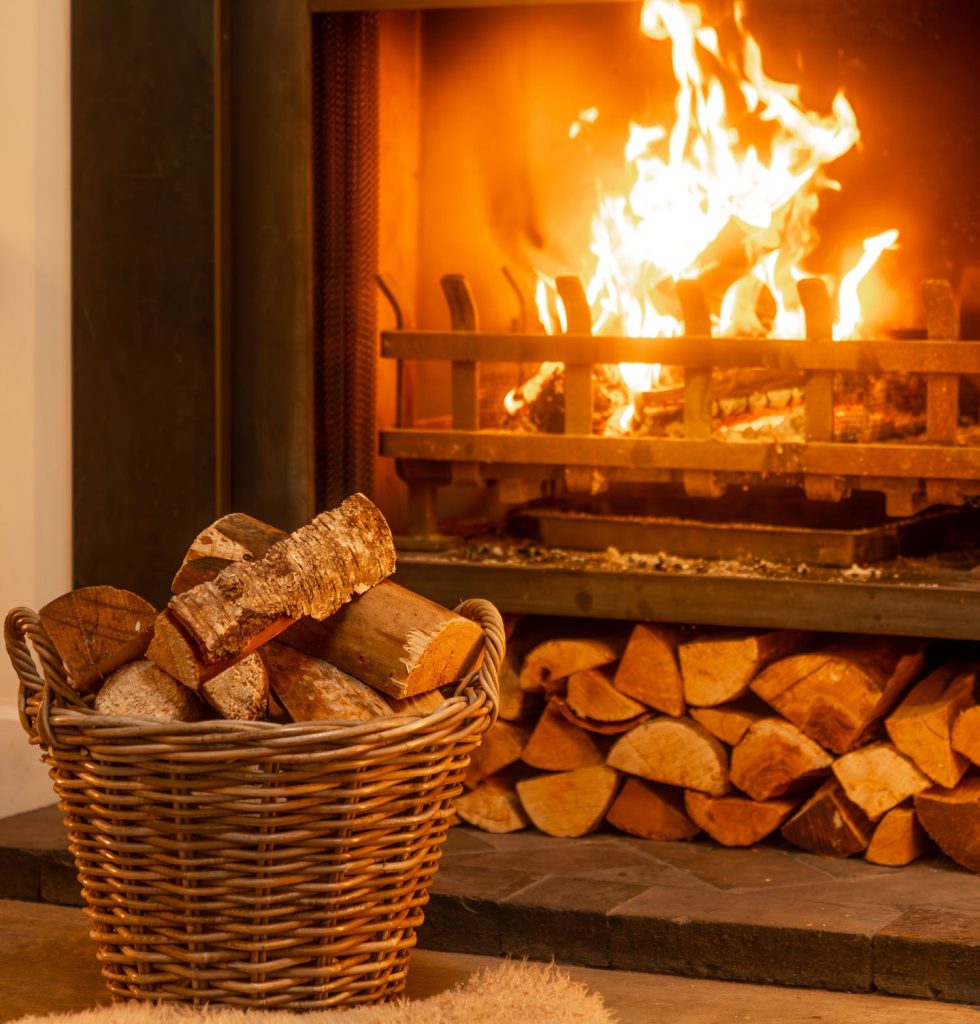
Top Safety Tips for Burning Firewood at Home. Burning firewood at home is a wonderful way to create warmth, save on heating costs, and add a cozy atmosphere. But without proper safety precautions, it can also be dangerous — from chimney fires to indoor air pollution.
In this guide, we’ll walk through the most important safety tips for burning firewood, so you can enjoy your fires with peace of mind.
1. Use Only Seasoned, Dry Firewood
Wet or green wood produces more creosote — a sticky, flammable residue that can build up in chimneys and cause fires. It also releases more smoke, which can affect indoor air quality.
Tip: Use wood with a moisture content below 20%, measured with a moisture meter.
2. Keep Your Chimney Clean
Creosote buildup is one of the top causes of home heating fires.
- Schedule a professional cleaning at least once per year.
- If you burn wood daily, consider cleaning more often.
3. Maintain Proper Airflow
Good airflow ensures complete combustion, reducing smoke and creosote formation.
- Keep stove or fireplace vents open when starting the fire.
- Avoid overloading with too many logs at once.
4. Install Smoke and Carbon Monoxide Detectors
Burning wood produces carbon monoxide, an odorless and deadly gas. Install detectors near:
- Bedrooms.
- Common areas.
- The stove or fireplace itself.
Test them monthly.
5. Keep Flammable Items Away from Heat Sources
Keep furniture, curtains, and other combustible items at least 3 feet away from any heat source. Use a fire-resistant hearth rug for added safety.
6. Never Leave Fires Unattended
If you need to leave home or go to bed, let the fire burn down completely or close the stove door securely. Unattended fires increase the risk of sparks escaping.
7. Use a Fireplace Screen or Closed Stove Door
A screen prevents sparks from escaping and igniting nearby objects. Wood stoves should be operated with doors closed unless loading wood.
8. Dispose of Ashes Safely
Ashes can stay hot for up to 48 hours.
- Store in a metal container with a tight lid.
- Keep the container outside, away from buildings.
9. Burn the Right Amount of Wood
Overloading your stove can:
- Reduce airflow.
- Cause smoldering fires and excess smoke.
- Lead to faster creosote buildup.
10. Keep Children and Pets Safe
Install safety barriers or gates to prevent burns. Teach children about the dangers of hot surfaces and open flames.
Final Thoughts on Top Safety Tips for Burning Firewood at Home
Burning firewood is safe when done correctly. By following these tips — using seasoned wood, maintaining your chimney, keeping flammables away, and supervising fires — you can enjoy a warm, cozy home without the risks.
