
seasoned firewood for homes
Cherry Firewood: Complete Guide to Burning, Heat, Seasoning and Home Use
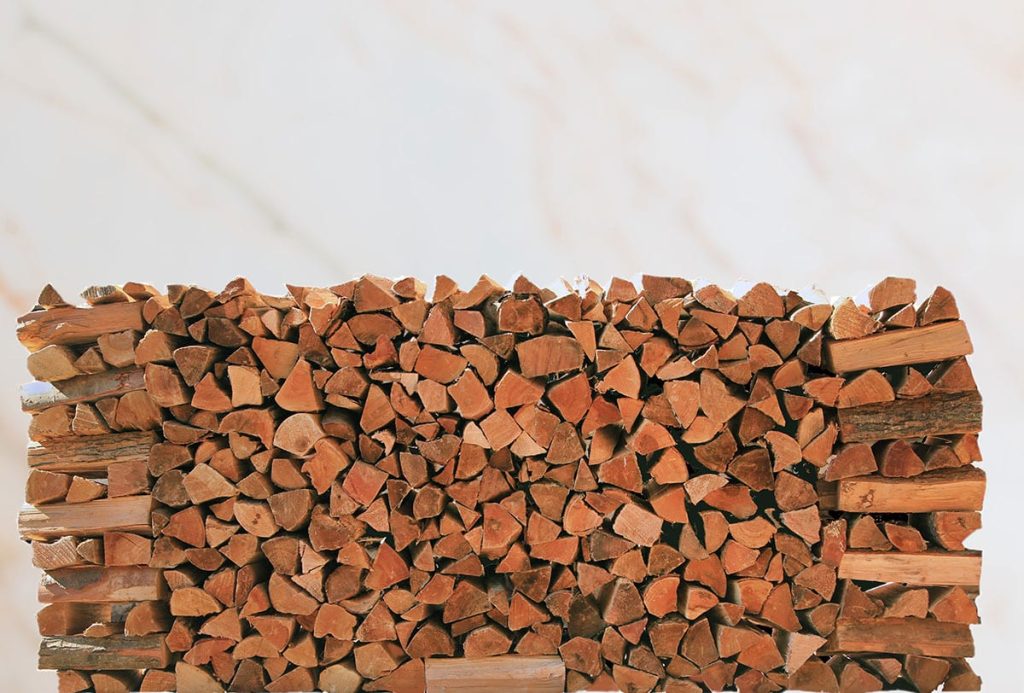
Jul
Cherry firewood is a popular hardwood for homeowners who want a combination of dependable heat, attractive flames, and a pleasant wood-burning experience. Although cherry does not usually provide the same long-lasting heat as denser hardwoods such as oak, properly seasoned cherry can perform very well in fireplaces, wood stoves, and outdoor fires.
Cherry wood also has a reputation for producing a pleasant aroma when burned. Combined with its moderate density and relatively manageable seasoning requirements, these qualities make cherry firewood an interesting option for both recreational fires and home heating.
However, moisture content remains critical. Even excellent hardwood performs poorly when you burn it before it has dried sufficiently.
This guide covers how cherry firewood burns, seasoning time, heat output, storage, advantages and disadvantages, and how cherry compares with oak, maple, ash, and birch.
For more information about choosing dry wood for your home, visit Seasoned Firewood for Homes.
Is Cherry Good Firewood?
Yes. Cherry can make excellent firewood when properly seasoned.
As a hardwood, cherry generally provides a useful balance between heat output and burn duration. It is not among the densest firewood species, but that can actually make cherry convenient for certain situations.
Dry cherry usually establishes a fire without the extended ignition period you might encounter with very large pieces of dense hardwood.
Once burning, it produces steady heat and an attractive flame.
Cherry can work especially well for evening fireplace fires, supplemental wood heating, cabins, and mixed hardwood supplies.
However, the quality of the wood matters. Properly seasoned cherry will perform much better than freshly cut or poorly stored logs.
How Does Cherry Firewood Burn?
Properly dried cherry burns with steady flames and moderate heat.
Its lower density compared with woods such as oak means it may burn through a load more quickly under similar conditions. Nevertheless, cherry can provide a satisfying fire without disappearing as quickly as many lower-density softwoods.
Cherry also tends to develop useful coals.
These coals continue releasing heat as the flames decrease, although extremely dense hardwoods may maintain a coal bed for longer.
For homeowners who enjoy visible flames as much as heat, cherry can be particularly appealing.
Cherry Firewood Heat Output
Cherry provides respectable heat for home use.
However, if maximum heat per unit of volume is your priority, denser hardwoods may offer an advantage.
Oak and some hard maples, for example, generally contain more energy per equivalent volume because of their greater density.
That does not make cherry inefficient.
A supply of properly seasoned cherry can still provide useful heat, especially when you combine it with denser hardwoods.
Moisture content also has a major effect on performance. Dry cherry will generally provide a much better fire than wet logs from a species with greater theoretical energy content.
Therefore, prioritize dry wood first and species second.
Does Cherry Firewood Smell Good?
A pleasant aroma is one of the qualities commonly associated with burning cherry.
Dry cherry wood can produce a mild, distinctive fragrance, making it popular for fireplaces and outdoor fires where the overall experience matters.
The aroma should not be confused with smoke from poor combustion.
Properly seasoned firewood combined with adequate airflow should burn efficiently. Wet wood or a smoldering fire can produce excessive smoke regardless of species.
If you want to enjoy cherry’s characteristics, start with properly dried logs and operate your fireplace or stove correctly.
Does Cherry Firewood Need Seasoning?
Absolutely.
Cherry firewood should dry before you burn it regularly.
Freshly cut wood contains moisture that interferes with efficient combustion. When wet wood enters a fire, energy must first heat and evaporate that water.
As a result, you may get weaker heat and more smoke.
Seasoning allows moisture to leave the wood naturally. Splitting the logs and exposing them to moving air speeds the process.
Before burning, aim for an internal moisture content of approximately 20% or less.
How Long Does Cherry Firewood Take to Season?
Cherry can season faster than some extremely dense hardwoods, but there is no universal drying time.
Climate makes a significant difference.
So do log size, splitting, airflow, sunlight, humidity, and protection from precipitation.
If you cut cherry into appropriate stove-length logs, split the larger pieces, and stack everything in a ventilated location, you create much better drying conditions.
Rather than relying only on the calendar, check the wood before burning.
Split a representative log and use a moisture meter on the freshly exposed interior.
That measurement tells you far more than simply knowing when the tree was cut.
How to Identify Seasoned Cherry Firewood
Several signs can help you evaluate your firewood.
Dry cherry will usually feel lighter than comparable green pieces because it has lost water during seasoning.
The cut surfaces may become darker or duller over time, while cracks can develop at the ends.
When you strike dry pieces together, they may produce a sharper sound than wet logs.
However, none of these signs guarantees the centre of the wood has reached an ideal moisture level.
A moisture meter provides a much better check.
If you’re purchasing cherry firewood from a supplier, test several pieces rather than relying on a single log.
Cherry Firewood for Wood Stoves
Cherry can work well in a wood stove, particularly when you want moderate, steady heat.
Start the fire with dry kindling and smaller pieces. Once you establish a hot fire, add larger cherry splits according to the stove manufacturer’s recommendations.
Because cherry is not as dense as oak, you may need to reload it somewhat more frequently during long heating periods.
One solution is to mix cherry with denser hardwood.
For example, cherry can help establish an active fire before you add larger oak pieces for sustained heating.
This combination gives you flexibility without depending on a single species.
Cherry Firewood for Fireplaces
Fireplaces are where cherry can really stand out.
The combination of attractive flames, useful heat, and its characteristic aroma makes cherry a strong choice for recreational indoor fires.
A fireplace fire is often about more than maximizing energy output. Homeowners also want warmth and atmosphere.
Cherry fits that purpose well.
Use properly seasoned pieces that fit comfortably inside the fireplace, and always use an appropriate screen where required.
You should also maintain your chimney and fireplace according to professional and manufacturer recommendations.
Cherry Firewood for Outdoor Fires
Cherry works well in outdoor fire pits and other appropriate recreational fires.
Its attractive flame and pleasant aroma can make it enjoyable for backyard gatherings.
As with any firewood, use only untreated natural wood.
Never burn painted, chemically treated, glued, or otherwise contaminated wood simply because it looks similar to ordinary firewood.
Also check local fire restrictions before starting an outdoor fire, especially during dry conditions.
Cherry vs Oak Firewood
Oak generally provides an advantage when maximum heat and long burn duration matter most.
Its greater density allows properly seasoned oak to sustain fires and produce strong coal beds.
Cherry offers different benefits.
It generally seasons more readily, establishes a lively fire, and provides a distinctive wood-burning experience.
For home heating, you can use both.
Cherry can provide active flames and useful heat, while oak can help extend the fire during longer heating periods.
A mixed hardwood stack often provides more flexibility than relying on one species.
Cherry vs Ash Firewood
Ash is another excellent all-around hardwood.
It offers good heat, relatively easy splitting, and dependable burning characteristics. Cherry also burns well, but its aroma and attractive fire make it particularly appealing for fireplaces and recreational use.
If heating performance is your main concern, ash may have an advantage depending on the specific species and condition of the wood.
If atmosphere matters too, cherry becomes particularly attractive.
Again, dryness can outweigh relatively small differences between species.
Properly seasoned cherry is preferable to wet ash.
Cherry vs Maple Firewood
The comparison with maple depends heavily on the maple species.
Hard maple is dense and can provide excellent heat and sustained burning. Softer maples contain less energy per equivalent volume.
Cherry generally provides moderate heat and burns somewhat faster than very dense hard maple.
However, both can make excellent fireplace and wood-stove fuel when dry.
Local availability should also influence your choice.
If cherry is abundant in your area, buying locally may make more sense than transporting another hardwood from farther away.
Cherry vs Birch Firewood
Cherry and birch both make attractive fireplace woods.
Birch can ignite readily, while its distinctive bark makes it recognizable in a firewood stack. Cherry provides good flames and a pleasant aroma.
Depending on the birch species, cherry may provide comparable or better sustained heat.
However, species differences make broad comparisons difficult.
The most useful approach is to choose properly seasoned firewood available locally and match it to how you intend to use your fireplace or stove.
Advantages of Cherry Firewood
Cherry provides several benefits for homeowners.
It produces respectable heat without being excessively difficult to ignite. It also creates attractive flames and can provide a pleasant aroma.
Furthermore, cherry can work in fireplaces, wood stoves, and outdoor fires.
It also complements denser hardwoods.
Rather than expecting cherry to replace oak for every heating situation, you can combine the two and benefit from the characteristics of each.
Properly seasoned cherry is therefore a versatile addition to a home firewood supply.
Disadvantages of Cherry Firewood
Cherry’s moderate density also creates its main limitation.
It usually will not burn as long as very dense hardwoods under equivalent conditions. Homeowners who depend heavily on wood heat may therefore need to reload more frequently.
Availability can also vary.
Cherry may be abundant in one region but comparatively expensive in another.
Finally, wet cherry still performs poorly. Its reputation as good firewood does not remove the need for proper seasoning and storage.
Always consider moisture content before burning.
How to Store Cherry Firewood
Good storage helps preserve your seasoned firewood.
Keep the logs off damp ground. A rack, stable runners, or another raised structure prevents the lowest pieces from sitting directly on wet soil.
Next, maintain airflow.
Stack the pieces securely without creating a dense pile that traps moisture.
Protect the top from prolonged rain and snow while allowing air to move around the sides.
A roofed firewood shed with ventilated sides provides an excellent solution.
If you buy cherry before it has fully seasoned, proper storage becomes even more important because the logs need continued airflow to finish drying.
You can find additional information about seasoning and storage at Seasoned Firewood for Homes.
Buying Cherry Firewood
When buying cherry firewood, confirm exactly what the supplier offers.
Ask whether you’re receiving pure cherry or a mixed hardwood load.
Next, determine whether the wood is green, seasoned, or kiln-dried.
If the seller advertises seasoned cherry, ask about moisture content and storage conditions.
You should also confirm the quantity, average split size, log length, delivery fees, and unloading arrangements.
Buying firewood based only on price can lead to disappointment.
A slightly higher-priced load of dry, correctly sized cherry may provide much better value than cheaper wood that needs months of additional drying.
Should You Buy Cherry Firewood Locally?
Whenever practical, buying locally makes sense.
Transporting firewood over long distances can move insects and tree diseases into areas where they were previously absent.
Canada has restrictions affecting firewood movement in certain regulated areas, and the Canadian Food Inspection Agency recommends buying and burning firewood locally.
Therefore, consider regional suppliers when purchasing cherry or other hardwoods.
Local sourcing can also reduce transportation costs and give you access to species naturally available in your area.
Is Cherry Firewood Worth Burning?
For many homeowners, yes.
Cherry offers a useful combination of heat, attractive flames, moderate burn duration, and aroma.
It works particularly well for fireplaces and evening fires, but properly seasoned cherry can also contribute to a wood-stove heating supply.
If you require maximum burn duration, combine cherry with denser hardwoods such as oak.
If you primarily want enjoyable fireplace fires with useful heat, cherry can be an excellent choice on its own.
The key is quality.
Choose dry wood, store it correctly, and burn it in a properly operated appliance.
Final Thoughts
Cherry firewood is an excellent hardwood option for homeowners who value warmth, attractive flames, and an enjoyable fireplace experience.
While cherry may not burn as long as dense oak, it provides respectable heat and works well in fireplaces, wood stoves, and outdoor fires. It can also complement oak, maple, ash, birch, and other properly seasoned hardwoods.
Before burning cherry, check its moisture content and aim for approximately 20% or less. Store your logs above the ground, encourage airflow, and protect the stack from prolonged precipitation.
Most importantly, choose properly seasoned wood rather than judging firewood solely by species.
For more guides covering seasoned hardwood, firewood storage, wood stoves, fireplaces, and home heating, visit Seasoned Firewood for Homes.
