
seasoned firewood for homes
Ash Firewood: Complete Guide to Heat, Burning, Seasoning and Home Use
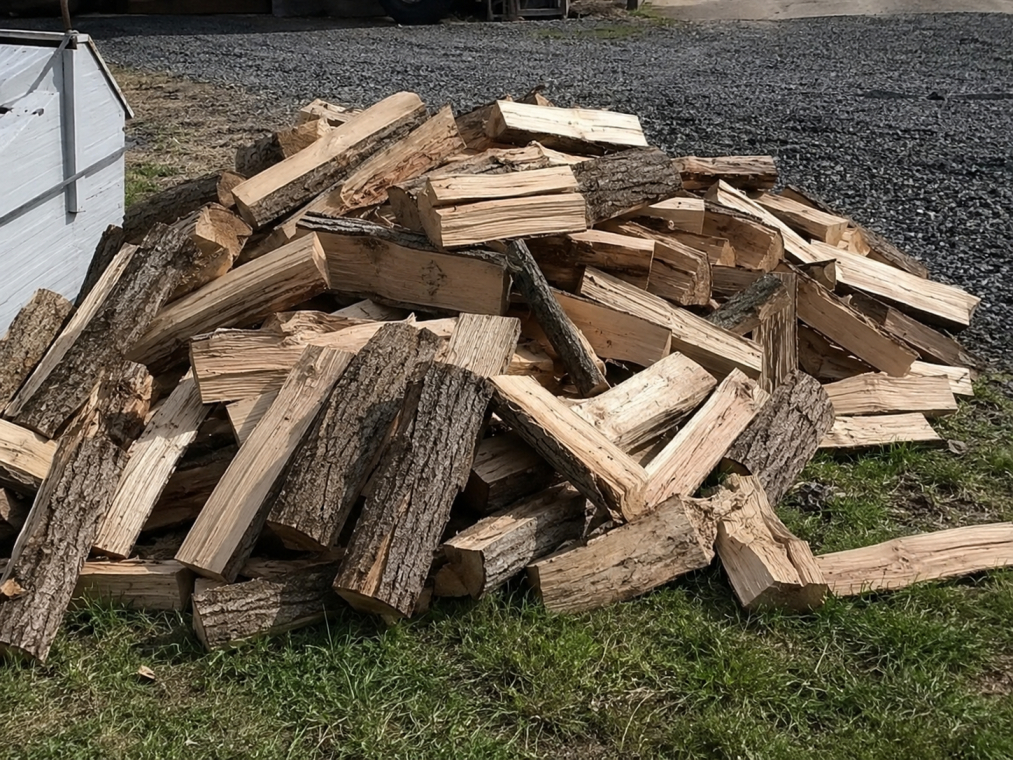
Jul
Ash firewood has earned a strong reputation among people who heat their homes with wood. It offers good heat, splits relatively easily, and works well in fireplaces and wood stoves when properly seasoned. These qualities make ash a practical choice for homeowners who want dependable firewood during colder months.
However, getting the best results from ash firewood depends on moisture content, storage, seasoning, and proper burning practices. Although ash has a reputation for burning better than some woods when relatively fresh, properly seasoned ash remains the better choice.
In this guide, we will look at the benefits and drawbacks of ash firewood, how long to season it, how it compares with other popular hardwoods, and how to store it correctly.
For more information about choosing and preparing wood for home heating, visit Seasoned Firewood for Homes.
Is Ash Good Firewood?
Yes. Ash is excellent firewood when you dry and store it correctly.
Ash is a hardwood with a useful combination of density, heat output, ease of splitting, and burning characteristics. It can produce a steady fire without requiring the extended drying periods associated with some very dense hardwoods.
That balance makes ash attractive for homeowners who burn wood regularly.
Ash also tends to split cleanly, especially when the wood has straight grain. Therefore, preparing logs for a fireplace or wood stove can be easier than working with some tougher or more irregular hardwoods.
However, species, growing conditions, log size, moisture content, and storage can affect performance. The name of the wood alone does not guarantee a good fire.
Dryness remains one of the most important factors.
How Does Ash Firewood Burn?
Properly seasoned ash produces a strong, steady fire.
It provides useful heat while offering a reasonable burn duration. Dense hardwoods may burn longer under similar conditions, but ash offers a good balance between easy ignition and sustained heat.
Once the fire becomes established, ash can produce a solid bed of coals that helps maintain heat.
That makes it useful for wood stoves, fireplaces, and other appropriate wood-burning appliances.
Of course, your appliance also affects performance. Airflow, firebox design, log size, chimney draft, and loading technique all influence how quickly any wood burns.
Therefore, compare firewood under similar conditions rather than expecting one species to perform identically in every stove.
Heat Output of Ash Firewood
One reason homeowners choose ash is its useful energy content.
Ash belongs to the hardwood group, so it generally provides more energy per volume than many lower-density softwoods. This can mean fewer logs and longer heating periods when compared by equal volume with much lighter species.
However, moisture can dramatically affect how useful that energy becomes.
If the logs contain excessive water, part of the fire’s energy goes toward heating and evaporating that moisture. Consequently, the fire may struggle to reach efficient operating temperatures.
Dry ash gives you much better performance.
For that reason, homeowners should focus on both wood species and moisture content when choosing fuel.
Does Ash Firewood Need Seasoning?
Yes.
You may hear people say that ash can burn immediately after cutting. That reputation comes partly from its moisture characteristics compared with some other freshly cut species.
Still, freshly cut ash is not the same as properly seasoned ash.
Allowing the wood to dry before burning improves its performance. Seasoning reduces moisture, which helps the logs ignite more readily and supports cleaner, more effective combustion.
Rather than relying entirely on how long the wood has been stored, check its moisture content.
For home burning, a useful target is 20% moisture content or less.
How Long Does Ash Firewood Take to Season?
Seasoning time varies.
Under good drying conditions, split ash may become ready considerably sooner than very dense species such as oak. However, you should not assume every stack will dry according to the same calendar.
Several factors affect drying time, including:
- When you cut and split the wood
- Log thickness
- Local temperature and humidity
- Exposure to sunlight
- Air circulation
- How you stack the logs
- Protection from rain and snow
Splitting ash soon after processing increases the exposed surface area. As a result, moisture can escape more efficiently.
Stacking it in a ventilated location also helps.
Instead of deciding that your ash is ready simply because a certain number of months have passed, test several pieces with a moisture meter.
How to Tell When Ash Firewood Is Seasoned
A moisture meter provides the most reliable practical check.
Take a representative log from your stack and split it. Then test the freshly exposed interior surface.
Ideally, the reading should be around 20% or lower before you use the wood for regular home burning.
You may also notice physical changes as ash dries.
Seasoned pieces usually feel lighter than green pieces of similar size. The ends may develop cracks, while the colour can become duller as the wood ages.
Two dry pieces may also make a sharper sound when struck together.
However, visual signs cannot tell you exactly how much moisture remains inside a log. Therefore, use them as clues rather than substitutes for testing.
Ash Firewood for Wood Stoves
Ash can be an excellent fuel for wood stoves.
Its combination of useful heat, relatively easy ignition, and good coaling characteristics makes it suitable for regular heating.
Start with dry kindling and smaller pieces. Once you establish the fire, add larger seasoned ash logs according to your stove manufacturer’s instructions.
Avoid trying to control an oversized fire by drastically reducing airflow too early. Poor combustion can create unnecessary smoke and deposits.
Instead, use properly sized dry fuel and operate the appliance as its manufacturer recommends.
If you heat with wood throughout winter, ash can also work well as part of a mixed hardwood supply.
Ash Firewood for Fireplaces
Ash also performs well in wood-burning fireplaces.
Its flames can provide both warmth and atmosphere, while seasoned logs generally ignite without the struggle associated with wet firewood.
For an occasional fireplace, you may prefer smaller split pieces that establish a lively fire quickly.
If you use the fireplace regularly, keeping several log sizes gives you greater control. Smaller pieces help establish the fire, while larger logs can sustain it.
As always, use a suitable fireplace screen and maintain your chimney properly.
Ash Firewood vs Oak
Oak and ash are both popular hardwood fuels, but they have different strengths.
Oak is particularly dense and can provide excellent long-duration heating when properly seasoned. However, that density can also mean longer drying times.
Ash often becomes usable sooner under good seasoning conditions and tends to split easily.
For homeowners planning their firewood supply well in advance, seasoned oak can provide excellent long burns. Meanwhile, ash offers a versatile balance of heat, preparation, and drying.
You do not necessarily need to choose only one.
Mixing properly seasoned ash and oak can give you flexibility throughout the heating season.
Ash Firewood vs Maple
Maple is another important firewood option, particularly in Canada.
Both maple and ash can provide reliable home-heating fuel when dry. However, performance varies between maple species because not all maples have the same density.
Hard maple can provide excellent heat and long burns. Ash, meanwhile, remains popular because of its straightforward splitting and useful burning characteristics.
Availability may ultimately determine which makes more sense.
If quality ash grows or is sold locally, it can be an excellent choice. Likewise, locally available seasoned maple may provide better value than transporting another species over a long distance.
Ash Firewood vs Birch
Birch can ignite readily and create an attractive fire. However, some birch species have lower density than ash and may require more frequent loading when used for sustained heating.
Birch bark can also help establish a fire because it catches easily.
Ash generally offers a good combination of heat and sustained burning, which can make it attractive for longer heating periods.
Again, moisture matters.
Dry birch can outperform poorly seasoned ash. Therefore, always consider the condition of the wood alongside the species.
Advantages of Ash Firewood
Ash has several characteristics that make it useful for home heating.
First, it provides good heat. As a hardwood, ash offers substantial energy per volume compared with many lighter woods.
Second, ash is often relatively easy to split. Straight-grained logs can separate cleanly, making firewood preparation more manageable.
Third, properly seasoned ash ignites well and maintains a steady fire.
Finally, ash can complement other hardwoods. You can use it alone or combine it with species such as maple, oak, and birch.
These qualities make seasoned ash firewood a versatile addition to a winter woodpile.
Are There Any Disadvantages?
Ash is excellent firewood, but it is not perfect for every situation.
Some denser hardwoods may provide longer burns per equal volume. Availability can also vary significantly by region.
In addition, ash trees across North America have suffered severe damage from the emerald ash borer. This invasive insect has killed large numbers of ash trees and led to regulations and management programs designed to limit its spread.
For this reason, avoid transporting firewood long distances.
Buy firewood locally whenever possible and follow applicable rules regarding the movement of wood.
How to Store Ash Firewood
Proper storage protects the work that went into seasoning your ash.
Start by keeping the logs off the soil. Use a firewood rack, stable runners, pallets where appropriate, or another raised structure.
Next, stack the logs so air can circulate around them.
A tight heap can trap moisture. A well-organized stack allows moving air to reach more surfaces and helps the wood continue drying.
Protect the top of the pile from heavy precipitation while leaving the sides reasonably open.
Avoid completely wrapping a damp pile in plastic. Although the cover may block rain, it can also trap moisture.
A covered woodshed with good airflow provides an excellent long-term solution.
For additional guides on preparing and storing firewood, explore Seasoned Firewood for Homes.
Can You Burn Dead Ash Trees?
Dead ash trees can provide usable firewood, but do not assume standing dead wood is automatically dry enough to burn.
The outer sections may feel dry while the interior still contains significant moisture.
Furthermore, dead trees can become structurally dangerous. Branches may fall unexpectedly, and weakened trunks can behave unpredictably during cutting.
If you do not have appropriate tree-felling experience, use a qualified professional.
Once processed, split the logs and check their moisture before burning them.
Dead ash can make excellent firewood, but safe harvesting and proper drying still matter.
Buying Ash Firewood
When buying ash firewood, ask the supplier several questions.
First, confirm that the wood is actually ash rather than an unspecified hardwood mixture.
Next, ask whether the logs are seasoned, kiln-dried, or green. If the seller describes them as seasoned, ask about moisture content.
You should also confirm log length, quantity, delivery charges, and unloading arrangements.
If possible, test several pieces after delivery.
A moisture meter can quickly tell you whether the wood is ready for your stove or needs additional drying time.
Most importantly, purchase locally where possible. Moving firewood long distances can transport invasive insects and tree diseases into new areas.
Is Ash Firewood Worth Using?
For many homeowners, yes.
Ash combines several qualities people want from firewood: useful heat, manageable splitting, reliable burning, and reasonable seasoning requirements.
It works well in fireplaces and can serve as dependable fuel for wood stoves.
Still, the best ash firewood is seasoned ash firewood.
Moisture content affects ignition, heat, smoke, and overall combustion more than many homeowners realize. Therefore, dry the wood properly before expecting its best performance.
Final Thoughts
Ash firewood remains an excellent choice for homeowners who want dependable hardwood fuel.
It produces good heat, splits relatively easily, burns steadily when properly seasoned, and works well in both fireplaces and wood stoves. While denser hardwoods such as oak may offer longer burn times, ash provides a strong balance between heat output, usability, and seasoning.
For the best results, split ash early, provide plenty of airflow, keep the stack off wet ground, and protect it from prolonged precipitation. Before burning, check the internal moisture content and aim for approximately 20% or less.
You can also combine ash with other seasoned hardwoods to create a versatile winter firewood supply.
For more information about choosing, seasoning, storing, and using quality firewood, visit Seasoned Firewood for Homes.
