
seasoned firewood for homes
Seasoned Firewood: The Complete Guide to Buying, Burning and Storing Dry Firewood
Jul
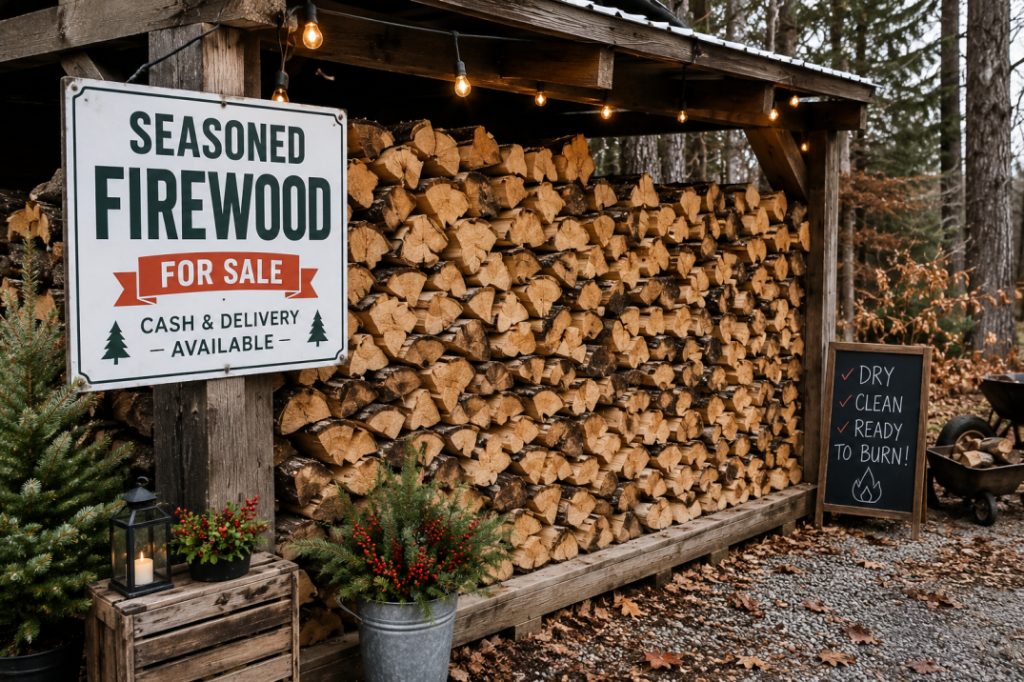
Seasoned firewood can make a noticeable difference in the performance of a fireplace or wood stove. Properly dried wood lights more easily, burns more efficiently, and helps homeowners get useful heat from every load of firewood.
However, not every stack advertised as seasoned firewood is equally dry. Wood species, drying time, log size, climate, and storage conditions can all affect moisture levels. Therefore, homeowners should know what seasoned firewood means before buying or burning it.
This guide explains how seasoned firewood differs from green wood, how to identify properly dried logs, how to store your supply, and what to consider when buying firewood for your home.
If you’re preparing for the heating season, you can also explore firewood and home-heating information from Seasoned Firewood for Homes.
What Is Seasoned Firewood?
Seasoned firewood is wood that has dried long enough to remove much of the moisture it contained when freshly cut.
Living trees naturally contain water. Consequently, logs cut from a recently felled tree can contain too much moisture for efficient burning. Simply cutting a tree into logs does not immediately produce ready-to-burn firewood.
Seasoning allows that moisture to escape.
Usually, the process involves cutting the wood to an appropriate length, splitting larger pieces, stacking the logs above the ground, and exposing them to moving air while protecting them from excessive rain and snow.
Eventually, the wood becomes dry enough for efficient combustion.
The important factor isn’t simply how many months the wood has been sitting outside. Moisture content matters more.
What Moisture Content Should Seasoned Firewood Have?
For home burning, aim for firewood with a moisture content of around 20% or lower.
Fresh wood can contain considerably more water. When you place wet wood in a fire, part of the fire’s energy must first heat and evaporate that moisture.
As a result, wet logs can make starting and maintaining a strong fire more difficult.
Properly seasoned firewood gives the fire better conditions for efficient combustion. Therefore, checking moisture provides a better indication of readiness than relying only on the age of the wood.
A firewood moisture meter makes this process straightforward.
For the best reading, split a log and test the newly exposed inner surface. The exterior can become dry while moisture remains deeper inside the wood.
Seasoned Firewood vs Green Firewood
Understanding the difference between seasoned and green firewood can help you avoid disappointing fires.
Green firewood refers to wood that still contains substantial moisture after cutting. It may feel heavy, look fresh, and prove difficult to ignite.
Seasoned wood has lost much of this moisture.
Once properly dried, firewood generally becomes lighter. The ends may develop checking or cracks, and the wood can lose some of its fresh appearance.
Most importantly, properly seasoned wood burns more effectively than wet wood.
That difference matters if you rely on a wood stove or fireplace throughout winter. Better fuel allows you to use your heating appliance more effectively instead of repeatedly adding wet logs that struggle to maintain combustion.
Why Seasoned Firewood Burns Better
Fire needs heat, oxygen, and fuel. Moisture interferes with the process because the fire must expend energy removing water from the wood.
Dry wood allows more of that energy to contribute to combustion and useful heat.
Therefore, seasoned firewood usually offers several advantages.
It ignites more readily. It can produce a stronger fire. It also helps the appliance reach and maintain effective operating temperatures more easily.
However, dry firewood does not eliminate the need for proper stove operation, chimney maintenance, or safe burning practices. Think of seasoned wood as one essential part of an efficient wood-heating system.
How Can You Tell If Firewood Is Seasoned?
You can inspect several characteristics before burning a log.
Check the Weight
Dry wood usually weighs less than freshly cut wood of the same species and size because much of its water has evaporated.
After handling firewood regularly, the difference can become noticeable.
However, weight alone cannot tell you the exact moisture content.
Look at the Ends
Seasoned logs often develop cracks around the ends as they dry.
The wood may also appear duller than freshly cut logs.
These signs can help, but they don’t guarantee that the centre has dried sufficiently.
Listen to the Wood
When you strike two dry pieces together, they may produce a sharper sound than wet logs.
Again, use this as an indicator rather than a definitive test.
Use a Moisture Meter
A moisture meter provides a much better answer.
Split one of the logs and measure the freshly exposed surface. If you plan to purchase a large quantity of firewood, checking several representative pieces can give you a better understanding of the supply.
How Long Does Firewood Take to Season?
There isn’t one seasoning period that works for every type of firewood.
Some species dry relatively quickly, while dense hardwoods can require considerably more time. Weather and storage conditions also influence the process.
For example, split logs stacked in a sunny, windy location may dry much more effectively than identical logs piled together in a shaded, damp corner.
Log size matters too. Large rounds expose less surface area to moving air. Splitting them creates more exposed wood and generally helps moisture escape.
Therefore, rather than assuming that wood becomes seasoned after a specific number of months, verify its moisture content before burning.
Hardwood vs Softwood Seasoned Firewood
Both hardwood and softwood can serve as useful firewood when properly dried.
Hardwoods such as maple, oak, ash, beech, and birch tend to have greater density than many softwoods. As a result, a given volume of dense hardwood can contain more fuel and provide longer-lasting fires.
Softwoods such as spruce, pine, and fir have lower density in many cases. They can ignite quickly and work well when building a fire.
This doesn’t mean softwood automatically makes poor firewood.
Dryness, species, density, appliance operation, and your heating needs all matter.
For many households, combining different properly seasoned woods can provide convenient fire starting along with longer-lasting heat.
Is Seasoned Firewood Good for Wood Stoves?
Yes. Properly seasoned firewood is important for effective wood-stove operation.
Wet logs can make it difficult for the stove to reach effective combustion temperatures. They can also produce more smoke because the fire struggles to burn the fuel efficiently.
Dry wood helps create a stronger fire and allows a properly operated stove to perform as intended.
Always follow the stove manufacturer’s instructions regarding fuel size, loading, airflow, and operation.
The quality of your firewood matters, but safe appliance operation matters just as much.
Is Seasoned Firewood Good for Fireplaces?
Seasoned wood also makes sense for traditional wood-burning fireplaces.
Nobody wants to spend an evening repeatedly trying to keep wet logs burning. Dry wood catches more readily and creates a more enjoyable fire.
However, fireplaces and wood stoves operate differently. An open fireplace may provide atmosphere while sending a substantial amount of heat through the chimney, whereas an efficient wood stove can serve as a more serious heating appliance.
Regardless of the appliance, properly dried wood remains the better fuel choice.
How to Store Seasoned Firewood
Buying good firewood only solves half the problem. You must keep it dry afterward.
Start by keeping the main stack off the ground.
You can use a dedicated firewood rack, stable runners, or another suitable raised base. Elevating the logs prevents the bottom layer from sitting directly against wet soil.
Next, encourage airflow.
Stack the pieces neatly rather than throwing them into a dense heap. Moving air helps remove moisture and reduces damp conditions within the stack.
Protect the top from precipitation while allowing the sides to breathe. A permanent roof or well-positioned cover can work well.
Avoid wrapping a damp stack completely in plastic. You want protection from precipitation without trapping moisture.
Can Seasoned Firewood Get Wet?
A little surface moisture does not necessarily ruin properly seasoned firewood.
Rain or snow can wet the exterior, while the interior may remain relatively dry. Once the weather clears, good airflow can help the surface dry again.
Long-term exposure creates a bigger problem.
If you leave firewood against wet ground or in a poorly ventilated area for extended periods, it can absorb moisture and begin to deteriorate.
Good storage protects your firewood throughout the heating season.
Buying Seasoned Firewood
If you’re buying firewood, ask specific questions rather than relying solely on the word “seasoned.”
Ask the seller what species you will receive. Find out when the wood was cut and split. Ask how it was stored and whether the seller measures moisture content.
You should also understand the quantity you’re buying.
Large heating supplies are often sold by volume, while smaller recreational supplies may come in bundles.
Compare quantity, species, condition, log size, and delivery costs before deciding which offer provides the best value.
For more guidance on choosing firewood and preparing for winter, visit Seasoned Firewood for Homes.
Buy Firewood Before Winter Demand Peaks
Planning ahead gives you more options.
If you wait until an extended cold spell arrives, local demand may increase just when you need firewood most. Buying earlier also gives you time to check the wood and continue drying it if necessary.
Consider your available storage space before ordering a large amount.
Prepare the storage area first, then have the firewood delivered. This approach allows you to stack and protect the wood immediately.
Common Seasoned Firewood Mistakes
One mistake is assuming that old wood must be dry. Poorly stored logs can remain damp even after sitting outside for a long time.
Another mistake involves covering an entire stack so tightly that moisture cannot escape.
Homeowners may also judge firewood solely by appearance. Cracks and faded colour provide useful clues, but a moisture meter gives you much better information.
Finally, don’t assume every supplier uses the word “seasoned” in exactly the same way. Ask questions before placing a large order.
Why Quality Seasoned Firewood Matters
Your firewood directly affects every fire you build.
Properly dried wood makes starting fires easier, supports efficient combustion, and helps you get better performance from your fuel.
It also gives you greater control over your winter supply. Instead of wondering whether the next log will struggle to burn, you can prepare, test, and store your firewood correctly.
For households that burn wood regularly, these small improvements can make a significant difference over an entire heating season.
Seasoned Firewood for Canadian Homes
Canadian weather makes preparation particularly important for households that depend on wood heat.
Your preferred species may vary depending on what grows and is sold locally. However, the basic principles remain the same: choose suitable firewood, dry it properly, check its moisture, and protect it from prolonged exposure to moisture.
Whenever possible, source firewood locally rather than transporting untreated wood over long distances.
Then organize your supply before winter and maintain enough dry firewood to cover your expected needs.
Final Thoughts
Seasoned firewood is more than wood that has sat outside for a few months. Proper seasoning reduces moisture and prepares the wood for effective burning.
Look for dry, properly split logs. Use a moisture meter when you need certainty. Store your supply above the ground with plenty of airflow and protection from precipitation.
Most importantly, plan ahead.
Whether you use a fireplace occasionally or depend on a wood stove throughout winter, quality seasoned firewood can help you build more reliable fires and get better performance from your wood supply.
Visit Seasoned Firewood for Homes to explore more guides on choosing, storing, seasoning, and using firewood for your home.
