
Outdoor Grills
Gas vs Charcoal Grills in Canada: Which One Is Right for You?
Jan
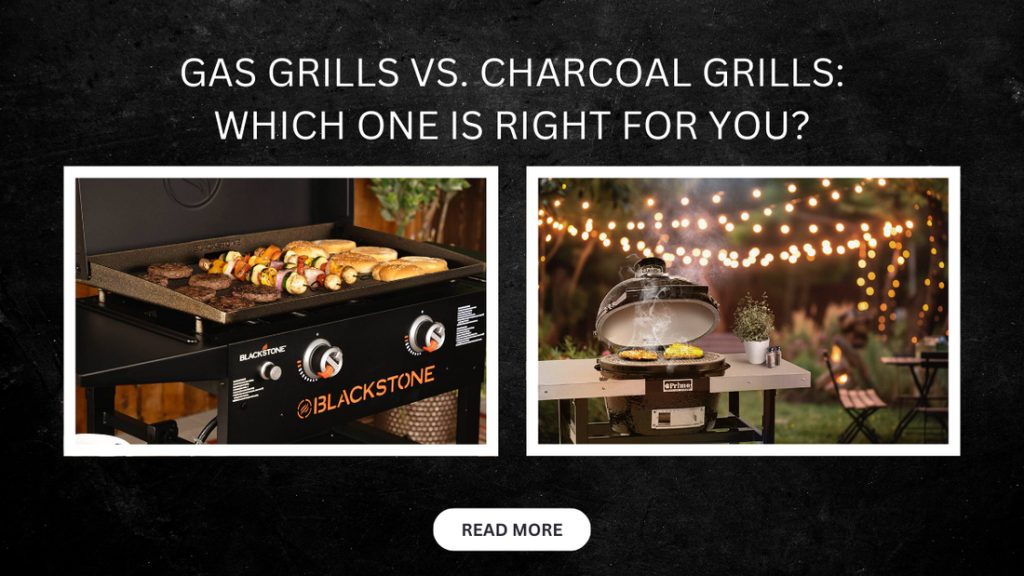
When comparing gas vs charcoal grills in Canada: which one is right for you?, buyers often face a difficult decision. Both grill types remain popular across the country, yet each performs differently under Canadian weather conditions and lifestyle needs. As outdoor cooking continues to grow in popularity, understanding how gas and charcoal grills differ has become essential for making a confident purchase.
This guide breaks down gas vs charcoal grills in Canada using real-world usage, cost considerations, flavour preferences, and climate performance to help homeowners choose the right option.
Understanding Gas vs Charcoal Grills in Canada
The debate around gas vs charcoal grills in Canada usually begins with convenience versus flavour. Gas grills appeal to users who value speed and ease of use, while charcoal grills attract those who prioritize traditional BBQ taste.
Canadian buyers must also consider climate factors. Cold temperatures, wind exposure, and moisture affect how both grill types perform throughout the year. Because of this, grill selection often depends on how frequently grilling is planned and during which seasons it will take place.
A wide variety of both grill types can be explored within the outdoor grills category, where Canadian-ready models are grouped by fuel type and size.
Gas Grills in Canada: Pros and Cons
Gas grills continue to dominate the Canadian market, particularly in suburban and urban areas.
Advantages of Gas Grills in Canada
Gas grills offer fast ignition and simple temperature control. Propane tanks remain widely available across Canada, making refueling convenient. Many homeowners appreciate how quickly gas grills heat up, especially during cooler evenings when time outdoors feels limited.
Natural gas grills also provide strong appeal. Once connected to a home gas line, they eliminate the need for tank refills entirely, which suits frequent grillers.
Disadvantages of Gas Grills in Canada
Gas grills typically produce less smoky flavour than charcoal. Some users feel that food cooked on gas grills lacks the depth associated with traditional BBQ.
Additionally, gas grill components such as burners and ignition systems may require replacement over time, particularly in colder climates where wear occurs faster without proper maintenance.
Charcoal Grills in Canada: Pros and Cons
Charcoal grills maintain a loyal following across Canada, especially among BBQ enthusiasts.
Advantages of Charcoal Grills in Canada
Charcoal grills deliver strong, authentic BBQ flavour. Lump charcoal and briquettes remain readily available nationwide, including during peak grilling season.
Kamado-style charcoal grills perform especially well in Canada. Their insulated ceramic construction helps maintain consistent heat, even during spring and fall. This design has made them a frequent recommendation in discussions around gas vs charcoal grills in Canada.
Disadvantages of Charcoal Grills in Canada
Charcoal grills require longer setup and cleanup times. Lighting charcoal becomes more challenging in colder or windy conditions, which can discourage quick weekday grilling.
Temperature control also demands more experience. Beginners may find charcoal grilling less forgiving than gas grilling, particularly during winter use.
Cost Comparison: Gas vs Charcoal Grills in Canada
When gas vs charcoal grills in Canada are compared by price, both options offer a wide range.
Entry-level gas grills typically start around CAD $300, while mid-range models range from CAD $700 to $1,200. Premium gas grills can exceed CAD $2,000.
Charcoal grills often cost less upfront. Basic kettle grills start under CAD $300, while kamado-style grills range between CAD $800 and $2,500. Long-term fuel costs should also be considered, as charcoal prices fluctuate seasonally.
Performance in Canadian Weather
Weather performance plays a major role in the gas vs charcoal grills in Canada debate. Gas grills perform consistently during colder temperatures, especially models with enclosed cabinets and higher BTU ratings.
Charcoal grills struggle more in winter unless insulated designs are used. Kamado grills handle cold weather far better than thin metal charcoal grills, making them a preferred option for year-round charcoal cooking.
For Canadians who also invest in outdoor heating and fuel solutions, pairing grilling setups with reliable fuel suppliers like seasoned firewood and outdoor living providers helps extend outdoor cooking seasons.
Which Grill Is Better for Canadian Homes?
The better option depends on lifestyle. Gas grills suit families who grill frequently and value convenience. Charcoal grills suit hobbyists who enjoy the cooking process and flavour experience.
Many Canadian households eventually own both types, using gas for quick meals and charcoal for weekend gatherings.
Frequently Asked Questions
Is gas or charcoal better for beginners in Canada?
Gas grills suit beginners better because temperature control and startup remain simple, even in cooler conditions.
Do charcoal grills work in Canadian winters?
Yes, especially kamado-style grills. Thin metal charcoal grills struggle more during winter months.
Which grill lasts longer in Canada?
Longevity depends on maintenance. High-quality gas and charcoal grills can both last over a decade when properly cared for.
Is charcoal more expensive than propane in Canada?
Charcoal costs can add up over time, while propane offers more predictable pricing for frequent grillers.
Which grill type adds more flavour?
Charcoal grills deliver stronger smoky flavour, which many Canadians associate with traditional BBQ.
By understanding the strengths and limitations of gas vs charcoal grills in Canada, buyers can select a grill that matches their cooking habits, climate conditions, and long-term expectations. When convenience, flavour, and weather performance are weighed carefully, the right choice becomes much clearer.
